Abolish IHT and Replace It With a 10% 'Death Tax' for Everyone? The Burnham Plan Explained
Abolish IHT and Replace It With a 10% 'Death Tax' for Everyone? The Burnham Plan Explained

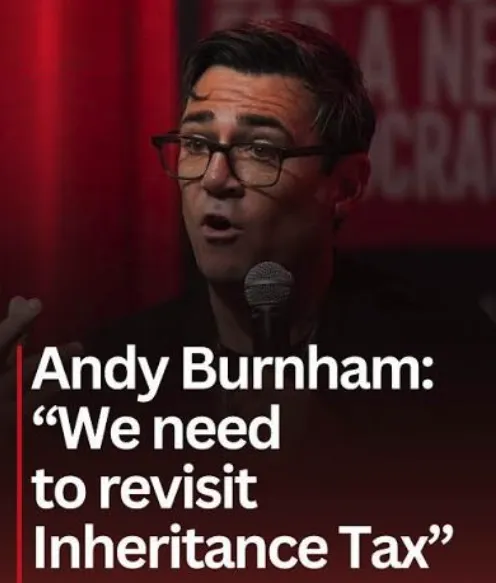
If you have glanced at the news headlines recently, you might have done a double-take. Word has been swirling around a bold proposal floated by Greater Manchester Mayor Andy Burnham: to completely scrap the traditional 40% Inheritance Tax (IHT) and replace it with a flat 10% "death tax" or care levy on every single estate.
For anyone navigating the complex world of estate planning uk, this is a seismic talking point. Could the days of battling complicated tax thresholds really be coming to an end? And what would a flat 10% levy mean for your family home, your life savings, and your legacy?
At Secure Wills, we believe in cutting through the political noise and giving you straight answers in plain English. Here is a clear, balanced look at what is being proposed, who stands to gain, who might lose out, and why proactive planning remains more important than ever.
What Exactly Is Being Proposed?
To understand the debate, let’s look at how the current system works versus what has been floated:
The Current IHT System: Right now, most individuals enjoy a standard nil-rate band of £325,000, plus an additional residence nil-rate band (up to £175,000) when passing a family home to direct descendants. Anything above your allowances is generally taxed at a steep 40%. Many modest estates pay nothing at all, while larger estates face hefty bills.
The Burnham Plan: Burnham has argued on several occasions for dismantling IHT in its current form and replacing it with a universal 10% flat levy on all estates at death.
The rationale? To create a dedicated, ring-fenced funding stream to build a National Care Service, ensuring that social care is free at the point of need and ending the heartbreaking scramble to pay for care home fees in old age.
Who Wins Under a 10% Flat Levy?
Every major tax reform has its winners and losers. Under a universal 10% estate levy, two groups would see a dramatic shift:
1. Owners of Very Large Estates
Under today's rules, taxable portions of multi-million-pound estates face a hefty 40% charge. Under a flat 10% system, the headline rate for these massive fortunes would drop significantly. Even though high-value estates would still contribute the largest absolute sums in cash terms, their percentage tax burden would be lower.
2. Those Seeking Simplicity
The current IHT regime is notoriously labyrinthine, filled with gifts, taper reliefs, trusts, and complex exemptions. A single, flat percentage applied across the board would drastically simplify tax administration, reducing the administrative burden on grieving families and executors.
Who Loses? The 2-Bed Terrace Dilemma
While mega-estates might catch a break, the flip side of a universal 10% levy has sparked fierce debate among financial experts.
Modest and Middle-Income Families: Under current rules, a vast number of homeowners: particularly those with modest properties outside the South East or single-person households: sit well below the £325,000 threshold and pay zero IHT.
The "New Tax Net": Under a flat 10% levy with no high thresholds, millions of families who previously paid nothing would suddenly find themselves handing over 10% of their total estate to the state. A standard £400,000 home and savings nest egg, which currently passes tax-free to children, would instantly face a £40,000 bill.
This is why critics and right-leaning commentators have dubbed the proposal a "death tax": arguing that it hits everyday working families harder than the current system does.
What Does This Mean for Your Estate Planning Today?
Before you start restructuring your entire financial future, it is vital to remember one crucial reality: As of right now, Andy Burnham’s proposal is a political talking point, not UK law.
The government has repeatedly stated there are no active plans to replace IHT with a 10% care levy. The current 40% rules, allowances, trusts, and gifting exemptions remain fully in place.
However, whether rules change or stay the same, the core principles of good estate planning remain unchanged. Here is what you should be focusing on right now:
Keep Your Will Up to Date: No matter what tax regime exists, dying intestate (without a valid Will) means the government decides who gets your assets. Secure Wills ensure your exact wishes are legally protected.
Explore Specialist Trusts: Protective Property Trusts and Discretionary Trusts remain powerful tools for safeguarding family wealth against unexpected tax changes and care costs.
Plan for Capacity: Financial security isn’t just about what happens after you pass away. Setting up Lasting Powers of Attorney (LPAs) ensures trusted loved ones can make decisions for you if you ever lose capacity.
Don't Wait — Review Your Estate Plan Now
With proposals like this making headlines, now is the perfect time to review your Will and wider estate plan, regardless of what happens next. Rules may change. Your need to protect your family does not.
Whether you want help with inheritance tax planning uk, will writing services uk, or care home fees planning, we are here to make the process simple, clear, and reassuring.
At Secure Wills you get:
Clear, fixed pricing with no hidden fees.
Friendly, expert advice in plain English.
Free consultation options that fit around you: phone call, video call, or a home visit.
Don't put it off. Act now and make sure your plans still protect the people who matter most.
Call us today on 020 84198744 or visit www.securewills.co.uk to book your free consultation.
A quick review now can give you real peace of mind, whatever happens with this proposal.